
A Question of Context: Seven Antiques, Many Rooms
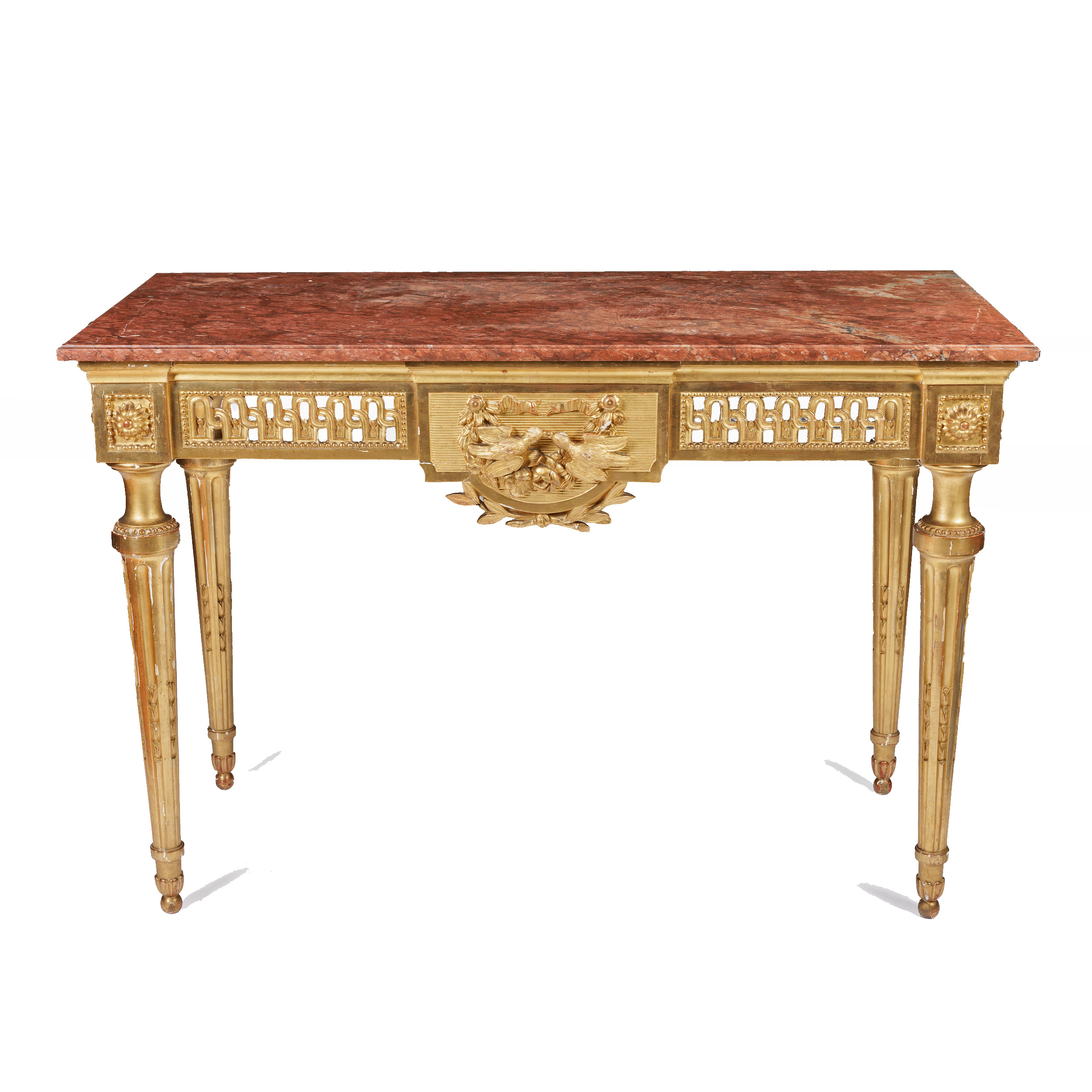
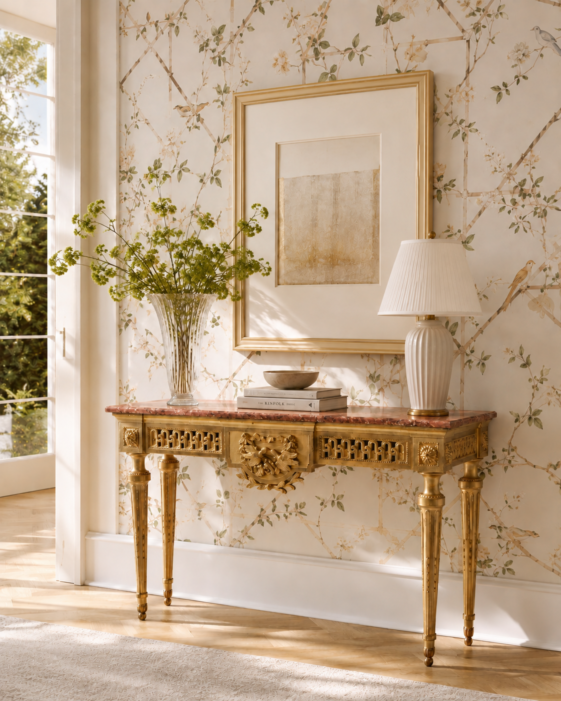
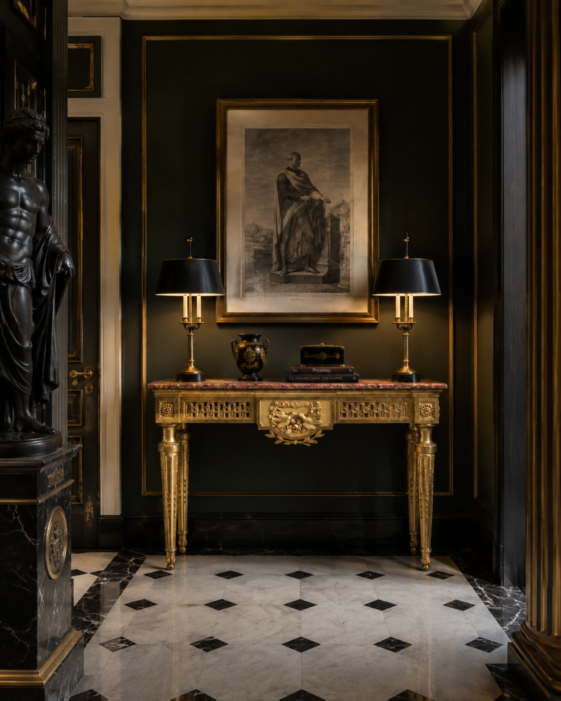
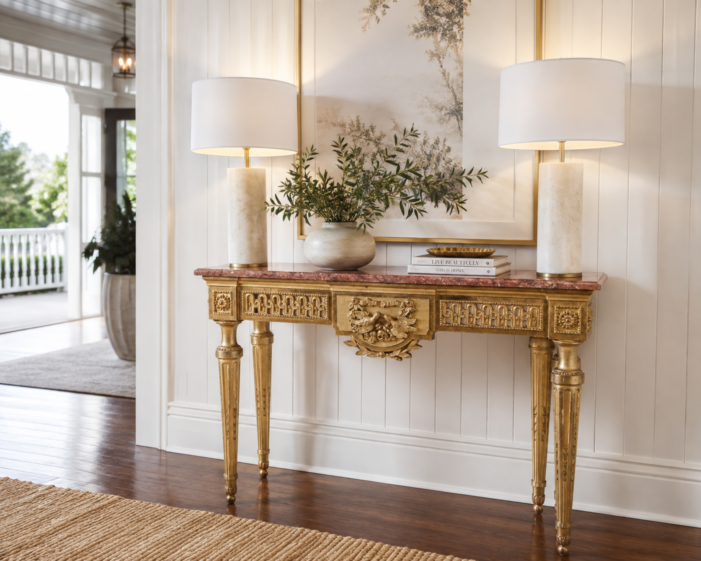
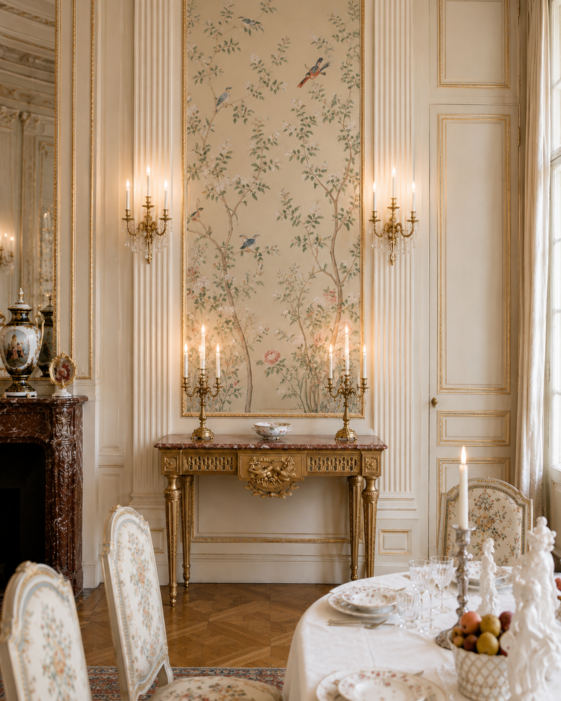
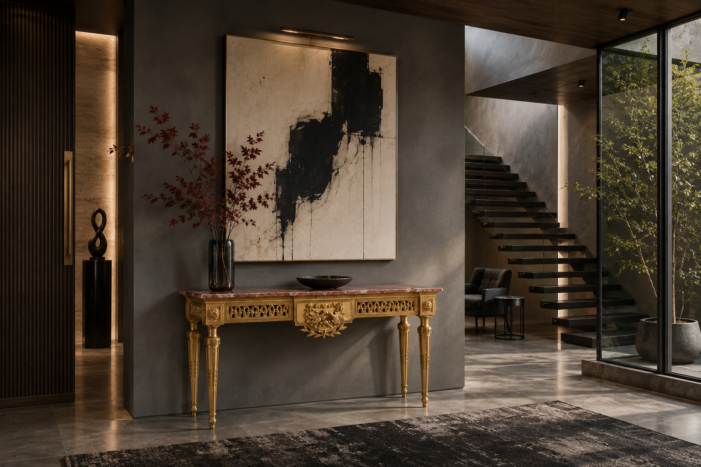
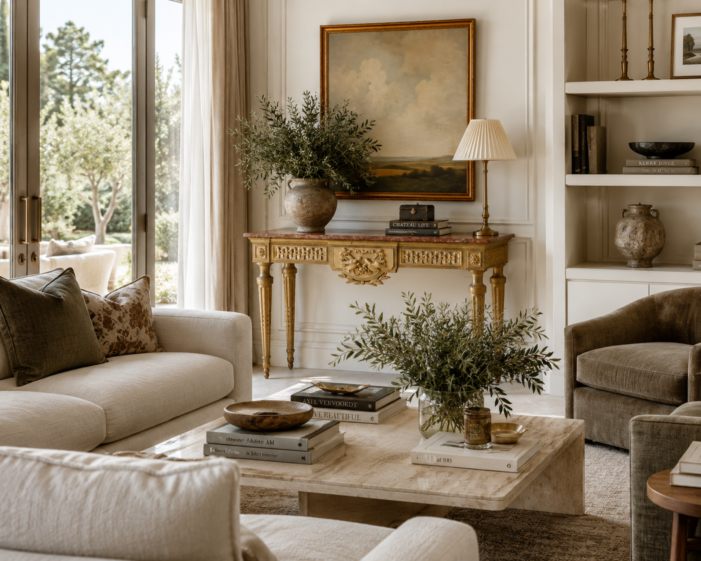
Change its surroundings, however, and different qualities emerge. In an elaborate room the console participates in the decoration. Against a restrained background, its long lines, symmetry and architectural form become much more apparent.
It isn’t the style of the room that makes it work. It is the quality of the piece.
2. When the Table Becomes the Room
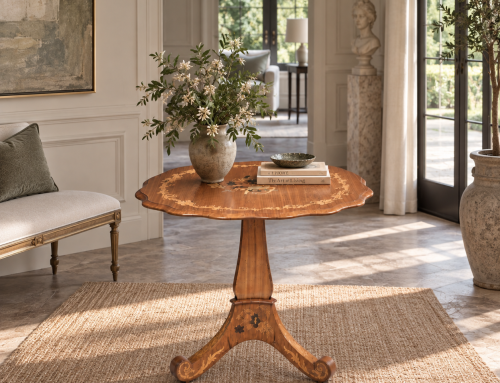
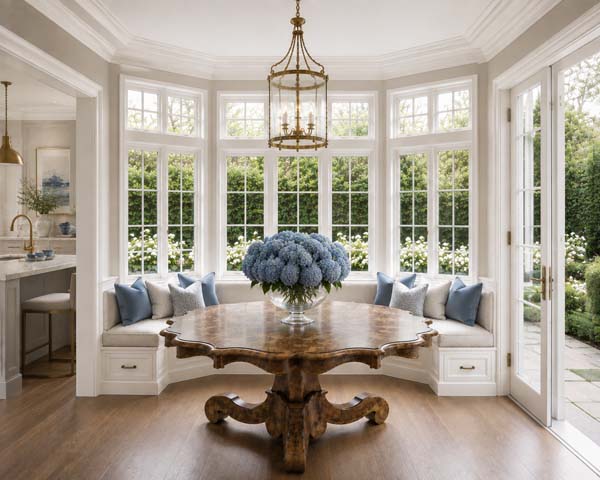
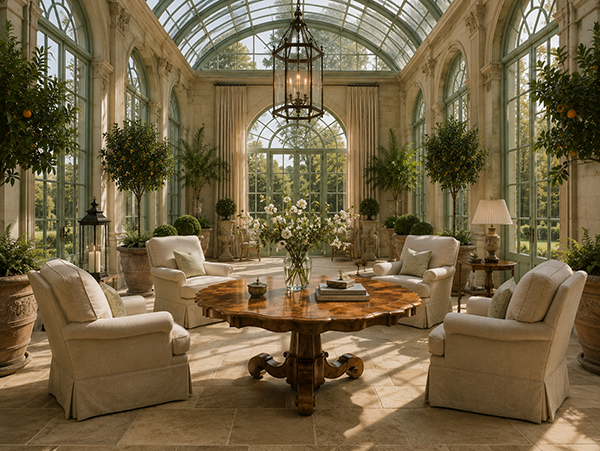
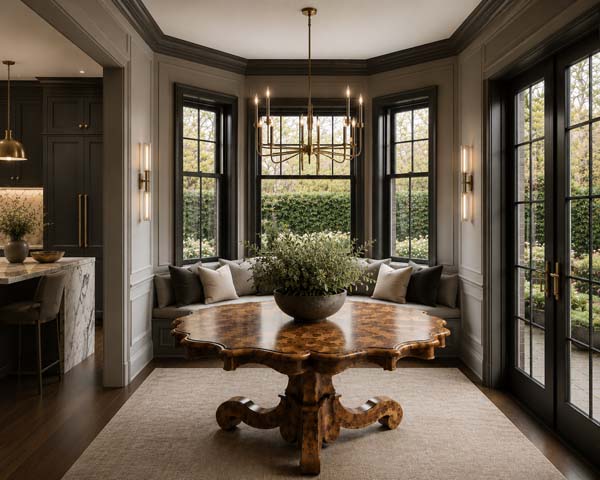
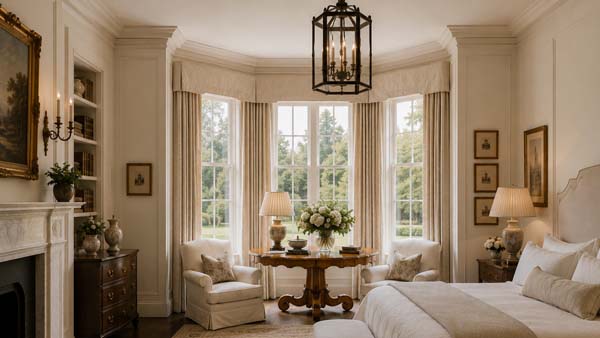
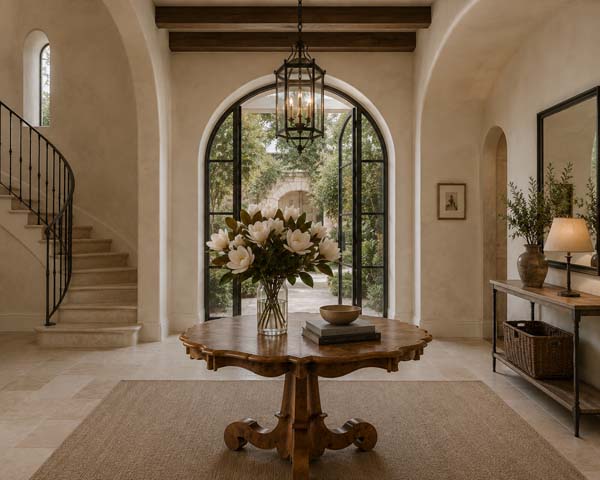
Featured in an elegant orangery, its exuberance becomes part of a richly layered whole. Place it instead in a quiet, light-filled breakfast room and the effect reverses: everything else recedes and the table becomes the focal point. It is difficult to comprehend the extent of the marquetry on this rare 19th-century English centre or dining table from a single photograph. Flowers, leaves and scrolling foliage spread across its surface in remarkable detail.
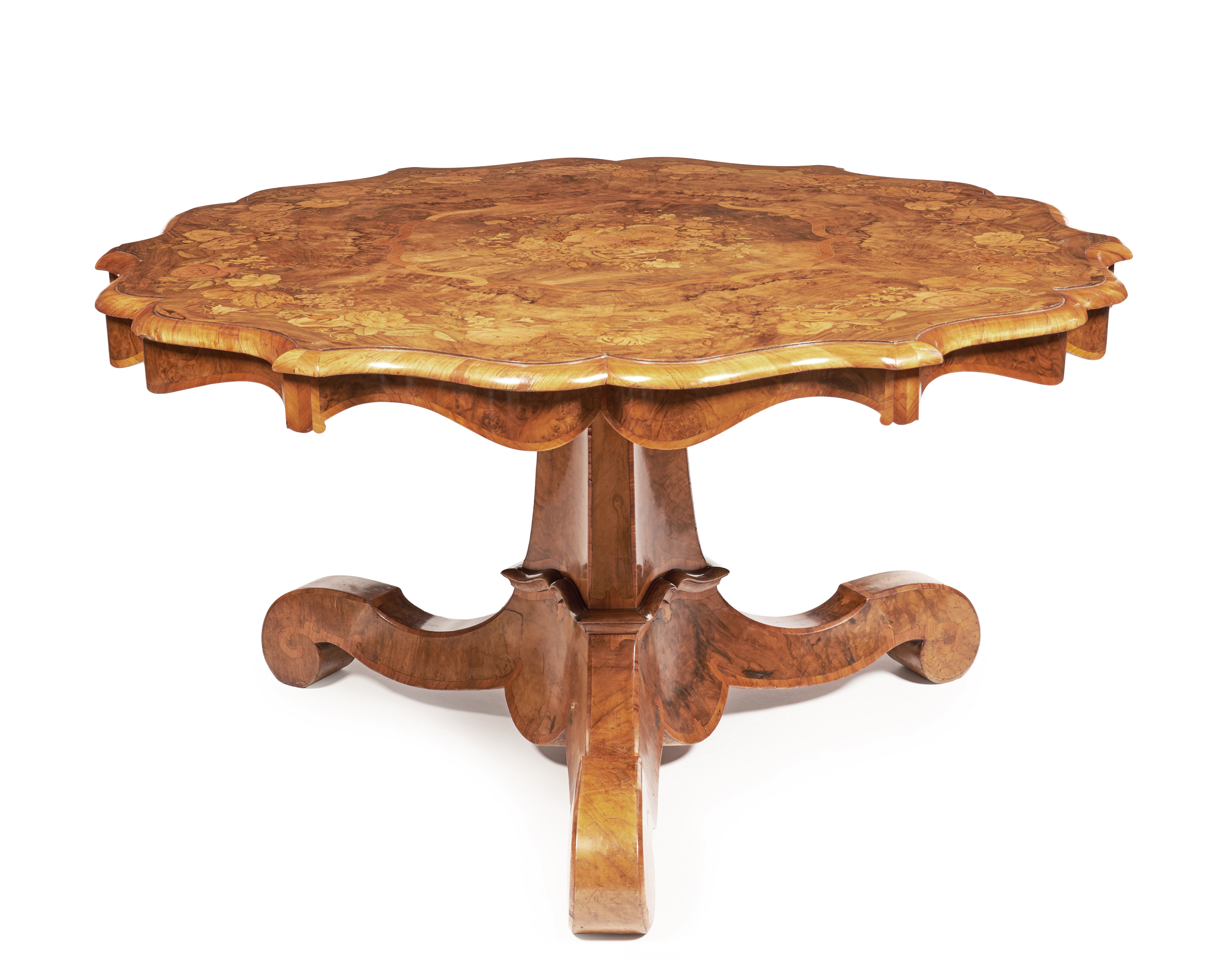
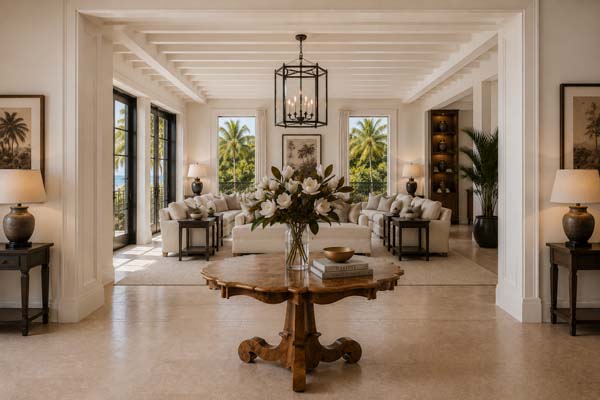
Enquire about this walnut centre table.
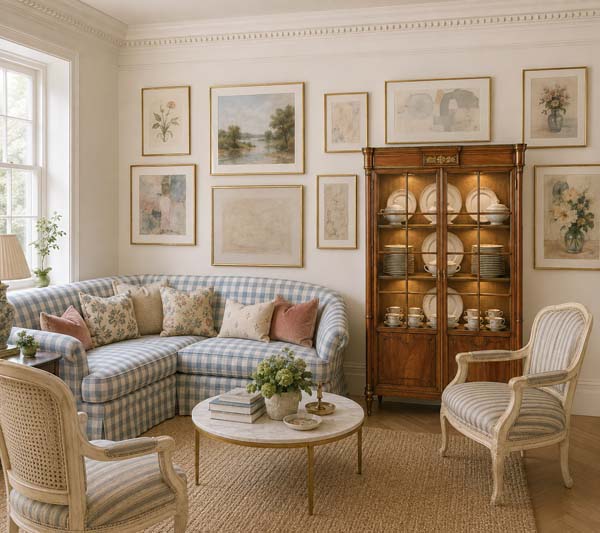
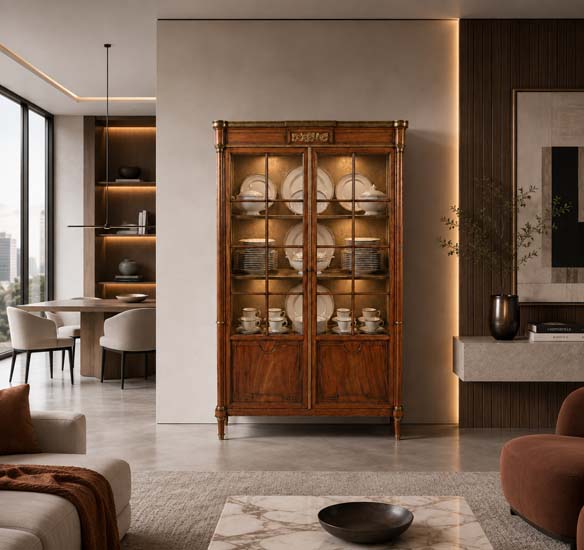
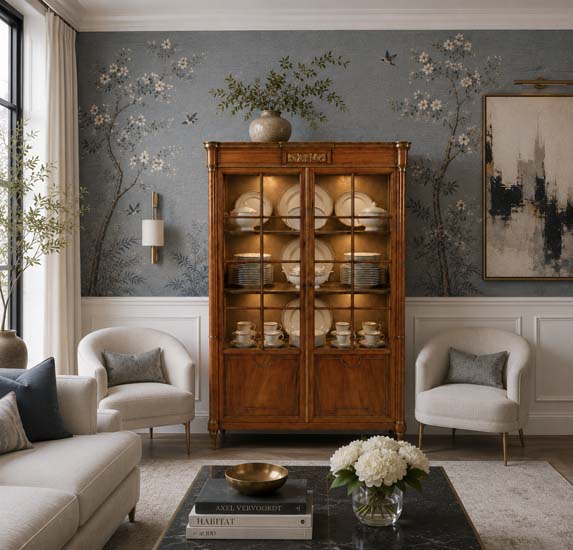
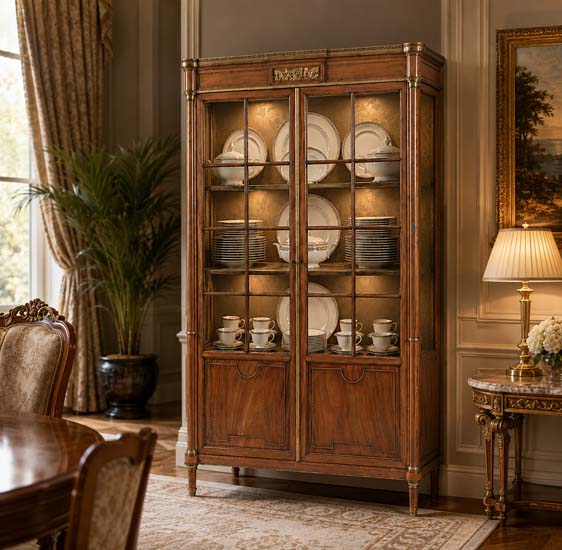
3. Look Closer: A French Louis XVI Display Cabinet
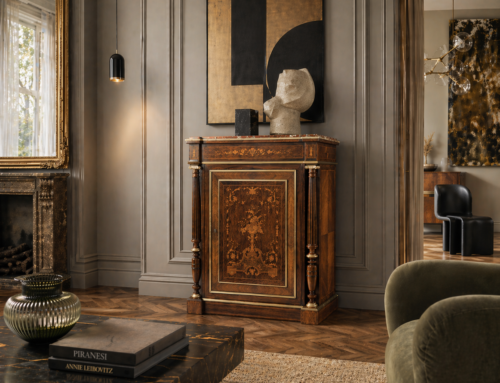
This form of French display cabinet is not particularly unusual. Finding one of this quality is more challenging.
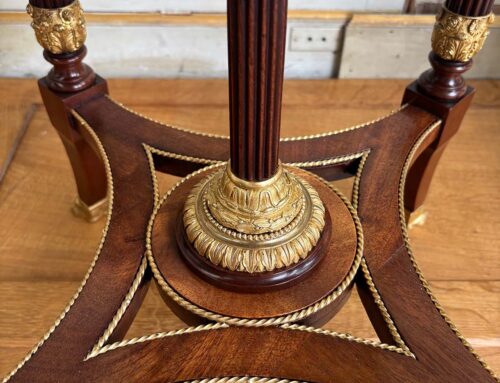
From a distance it is elegant and beautifully proportioned. Up close, the extraordinarily detailed metalwork reveals the difference. There is another variable too: what goes inside. Fine porcelain creates one impression; books, glass, silver or a collection of personal objects create another. A cabinet designed more than a century ago can assume an entirely different personality according to what its owner asks it to hold.
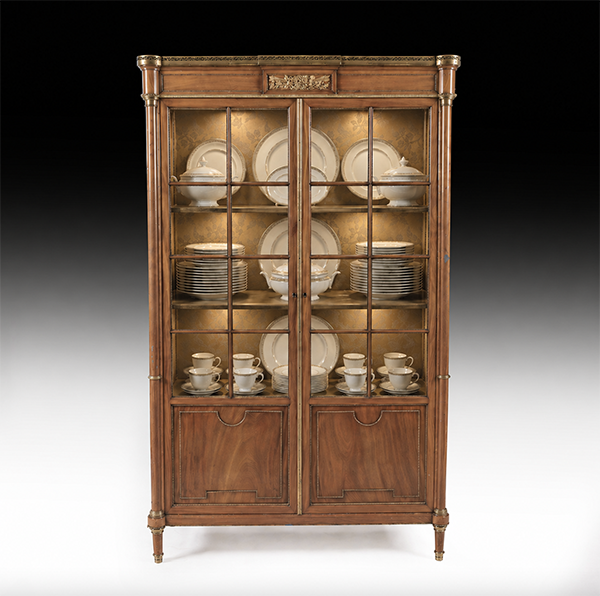
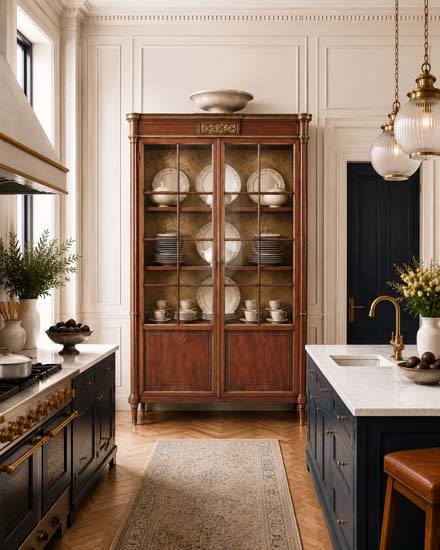
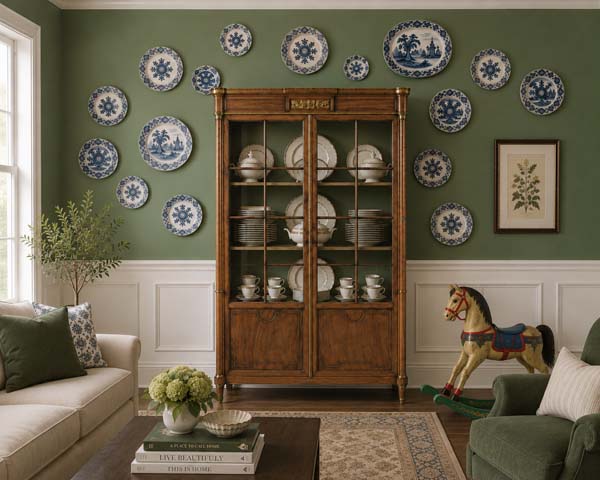
Enquire about this Walnut Vitrine
4. Masculine, rectilinear, bold…or perhaps not…
A 19th century Empire console table comes with certain expectations. Perhaps though, those expectations are self imposed, and that in fact this piece is more relaxed than ever we thought.
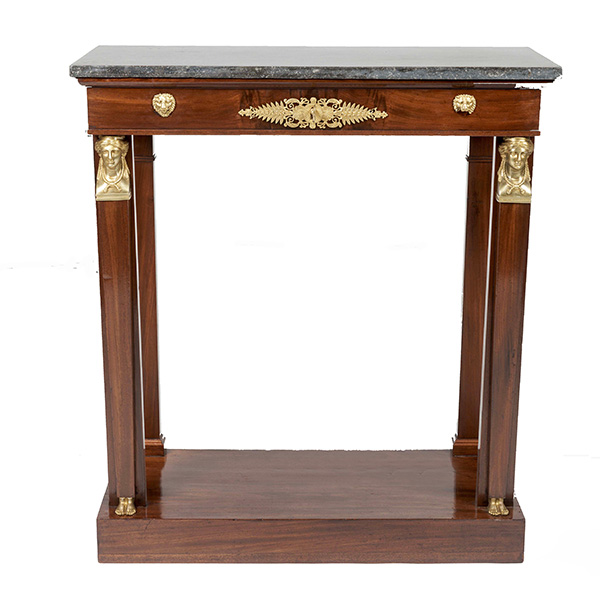
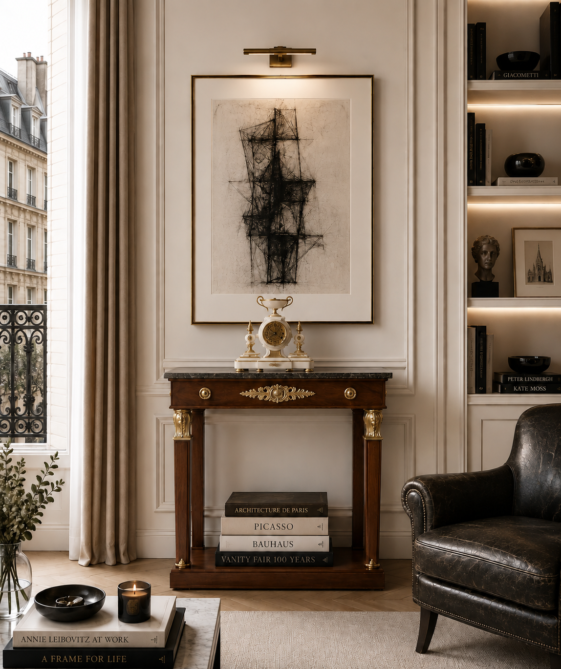
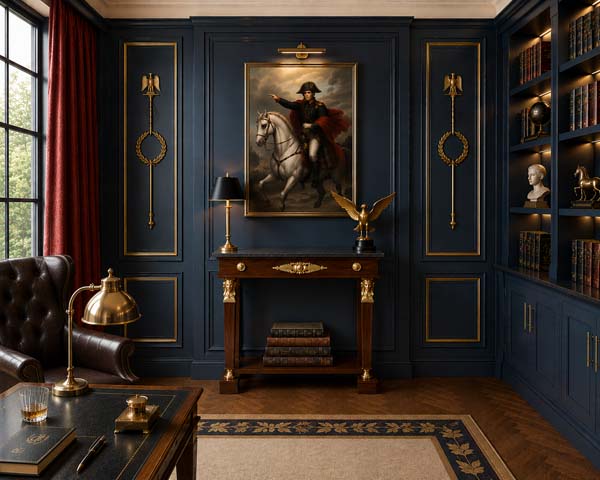
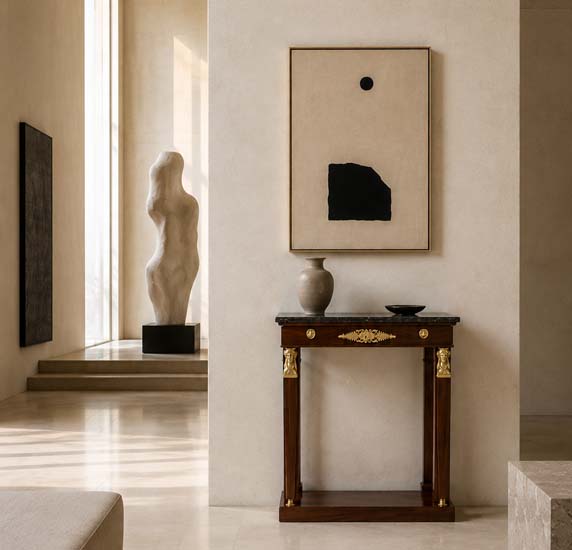
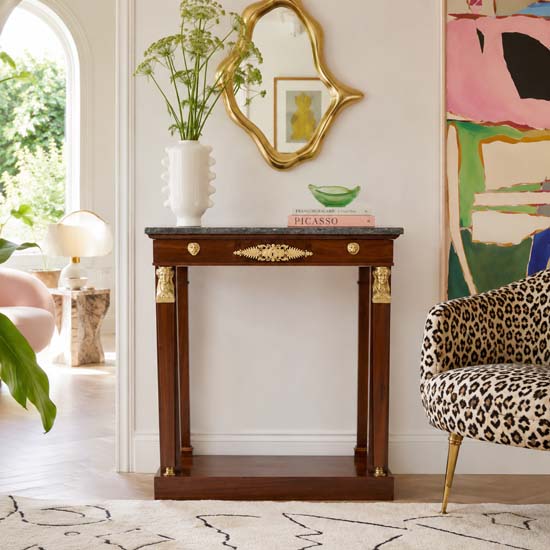
Enquire about this Empire console table.
5. A Desk Designed to Be Seen
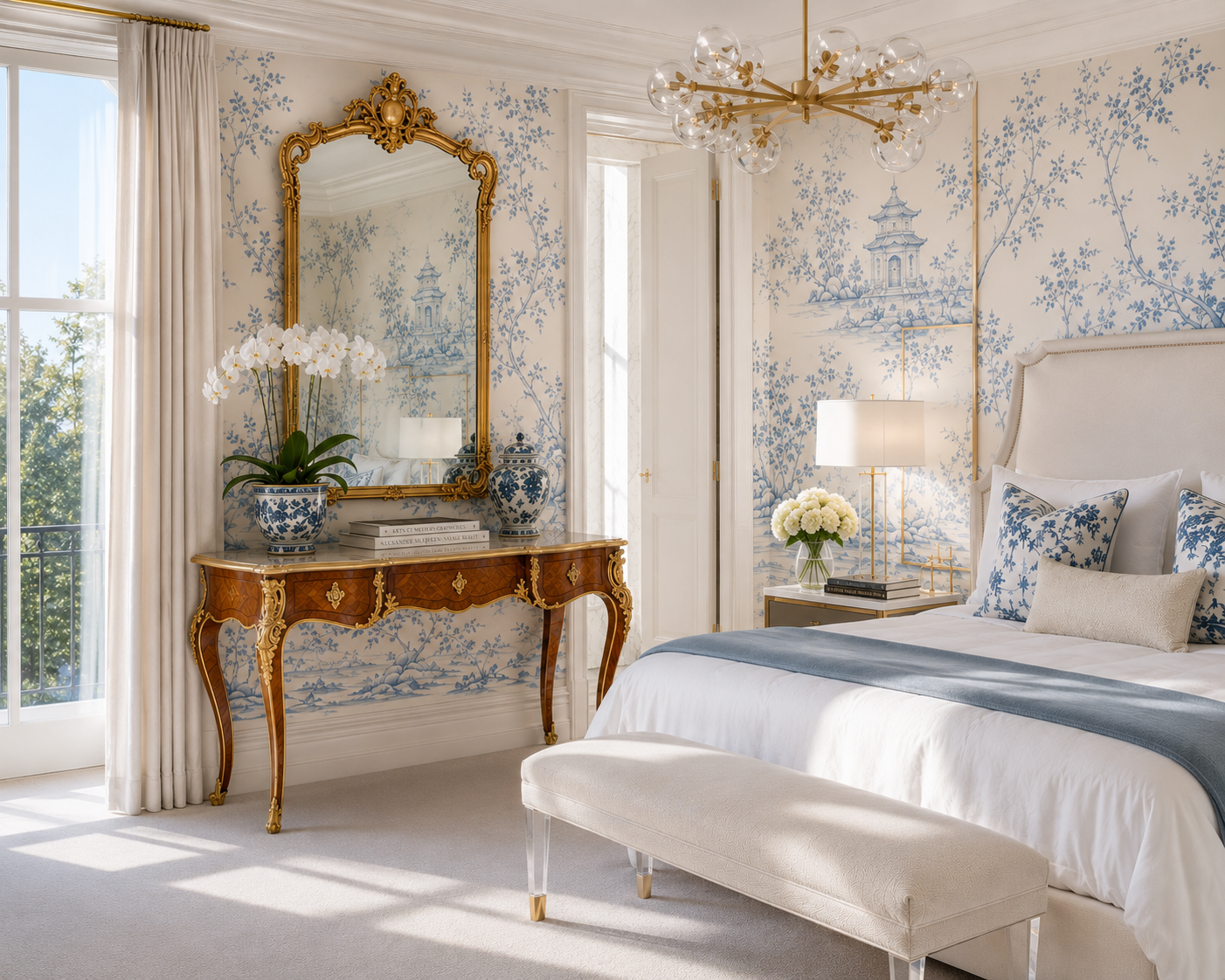
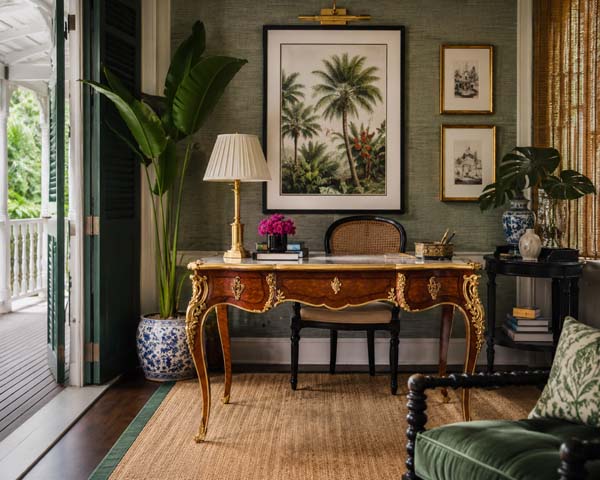
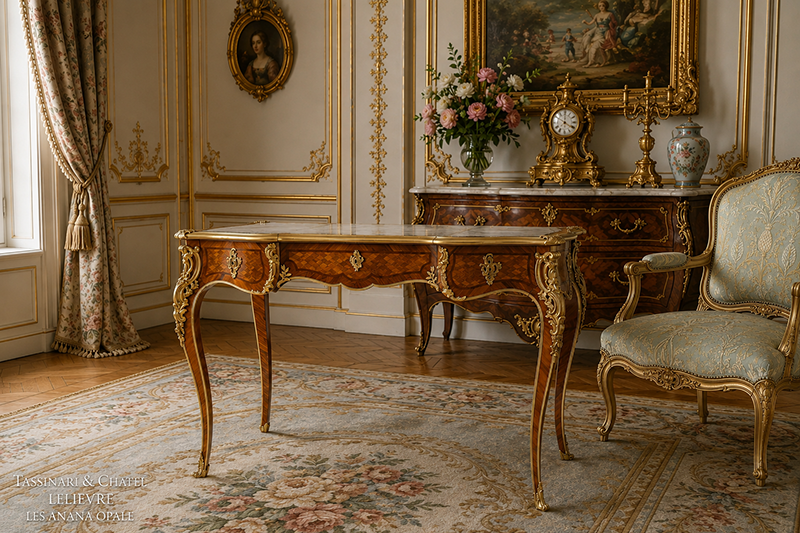
Louis XV desks are often placed in the centre of a room but need not always be. This 19th-century English bureau plat in the French style is freestanding with parquetry on all four sides so can be placed anywhere within a room. Freestanding in a study, library, bedroom or drawing room, it becomes almost architectural. But why limit its use to the expected? Why not a fabulous dressing table for example.
Its profuse inlay continues around the piece, which means it can be appreciated from every angle.
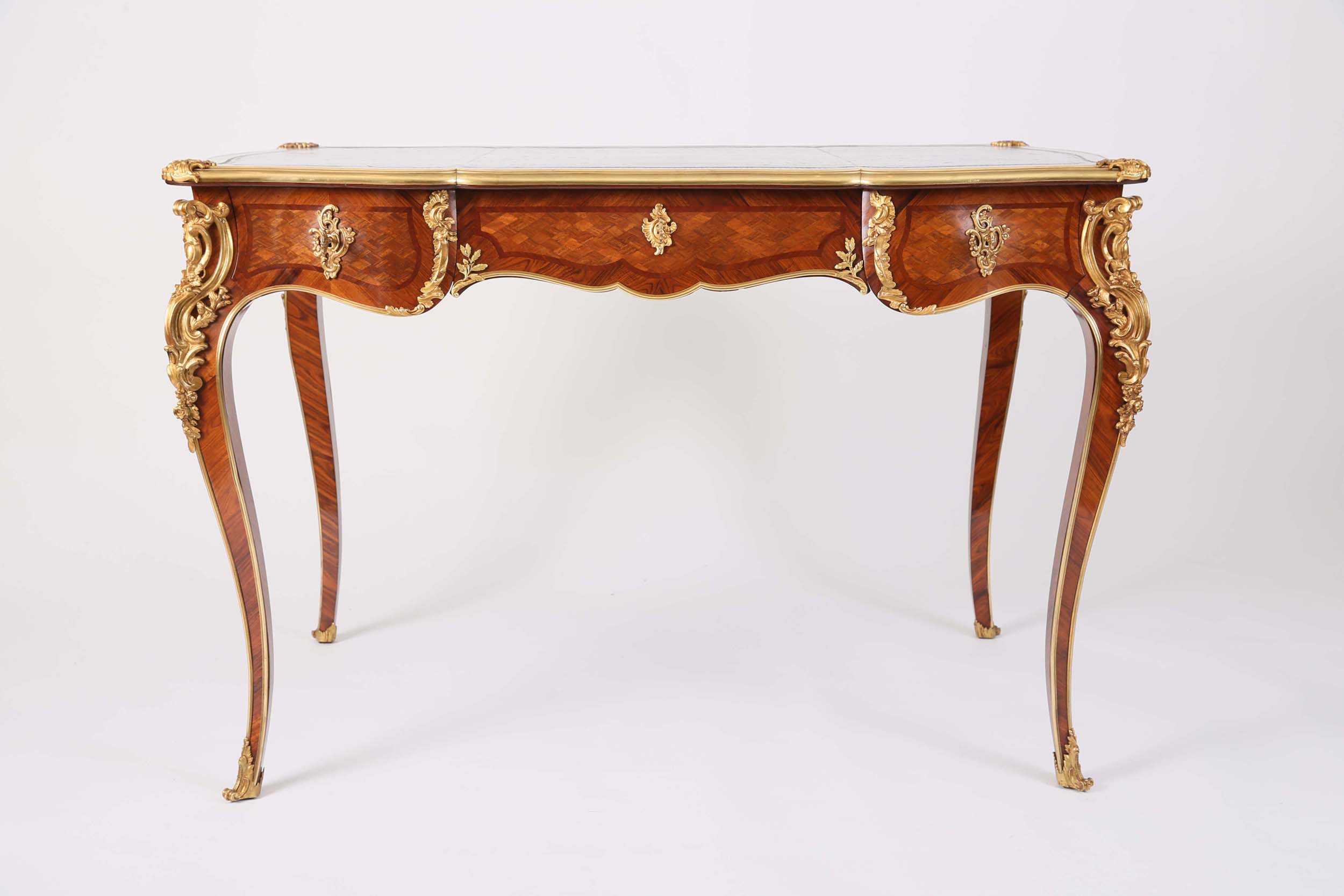
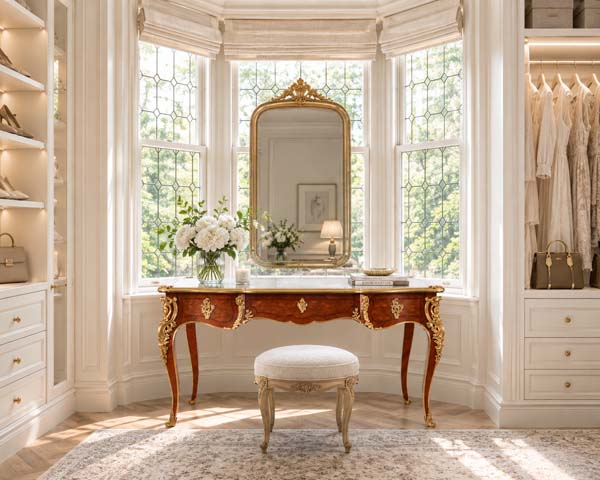
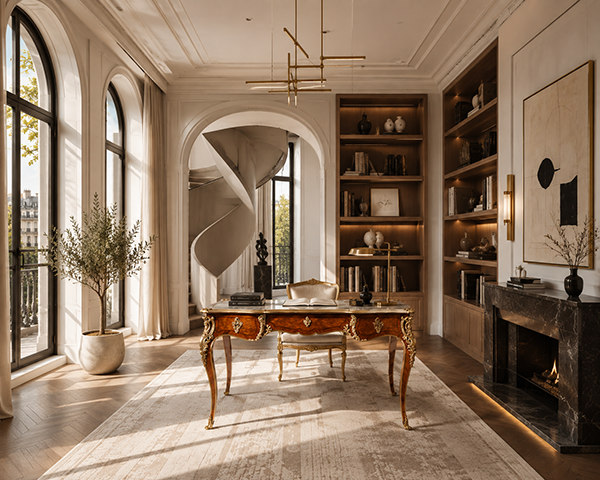
Enquire about this bureau plat.
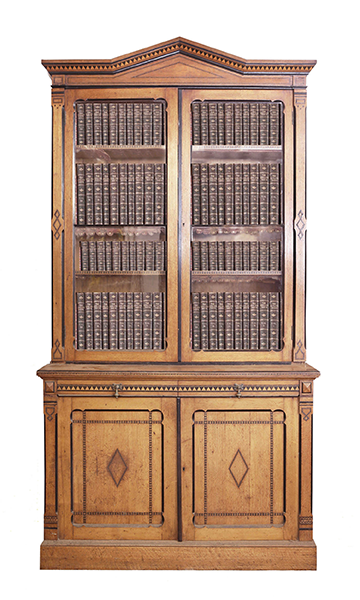
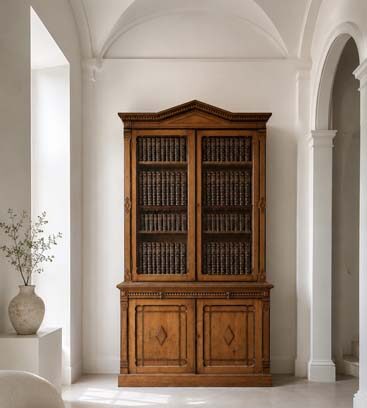
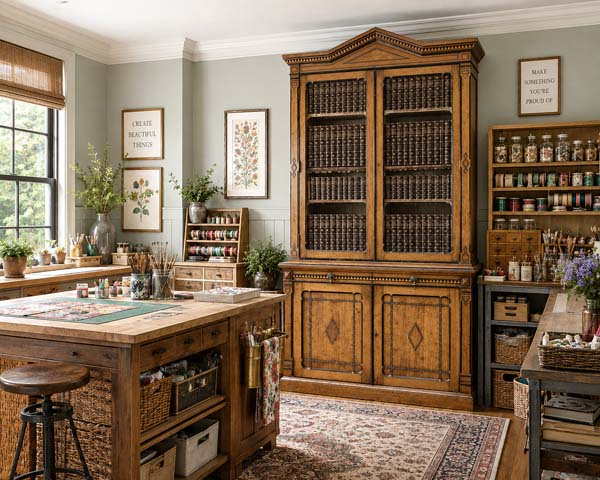
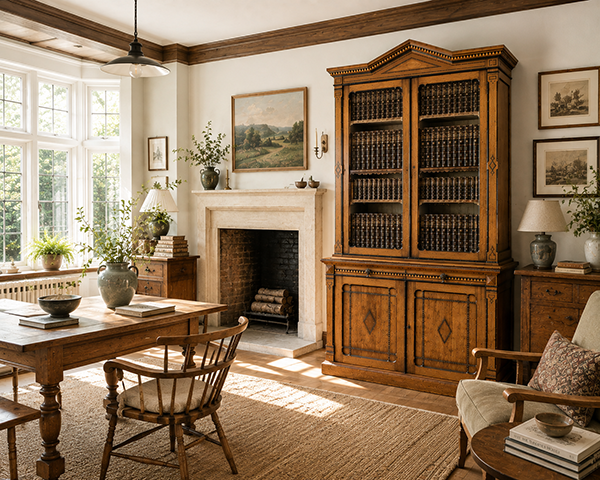
6. An Arts & Crafts Bookcase – Quality in Places You Aren’t Expected to Look
This English Arts and Crafts bookcase is immensely versatile. Change the room, change the piece. From ‘Arts & Craftsy’, to contemporary classic…paired back country to architectural modern.
7. The Pieces Without a Rulebook
And finally, something rather different.
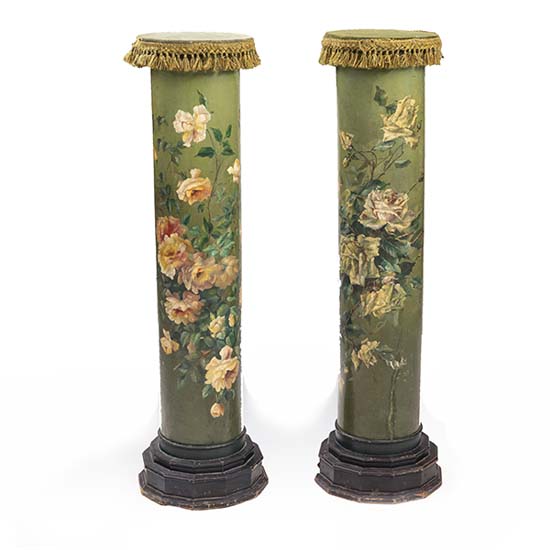
This pair of 19th-century terracotta plinths are hand-painted with flowers and entirely individual.
Either side of an archway they become architectural. In a dining or living room, decorative. In a bedroom, unexpected. Moving towards a patio or garden room, their terracotta suddenly makes perfect sense.
Perhaps that is the point of this entire exercise.
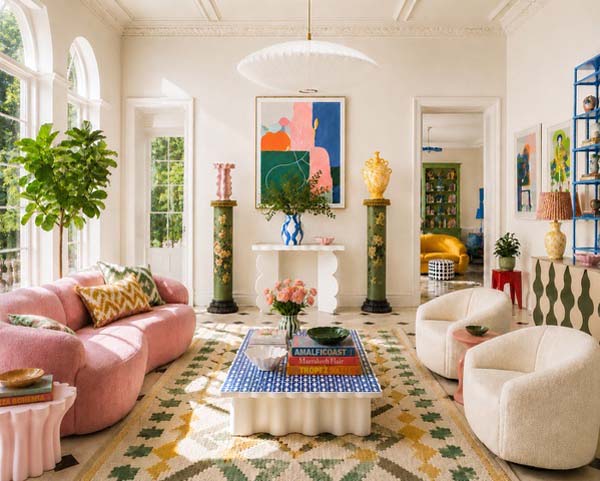
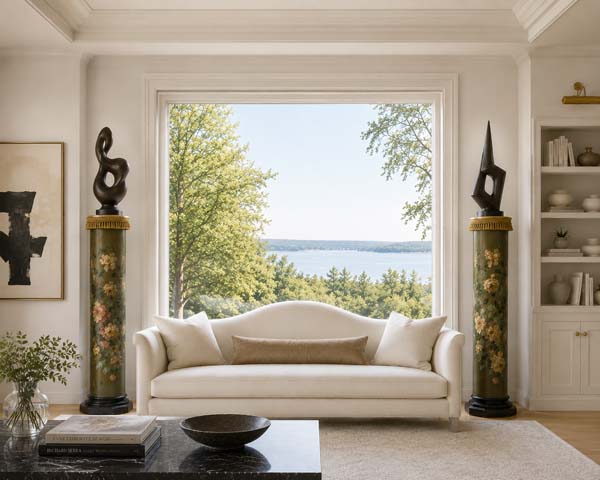
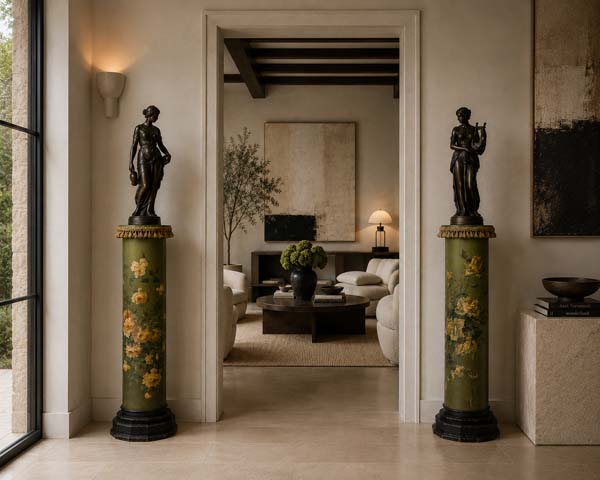
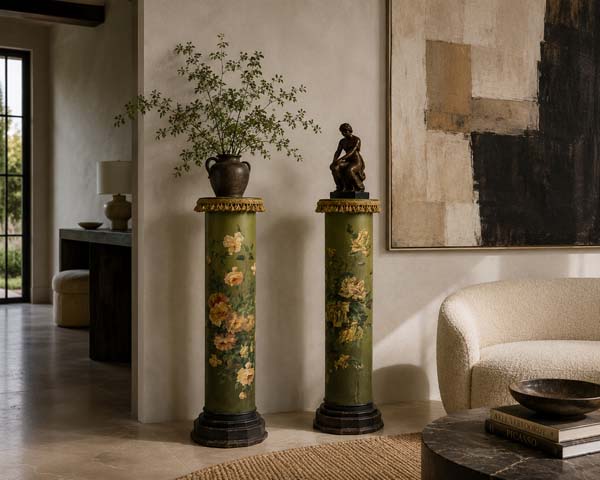
We often ask whether an antique will suit a particular room when the more interesting question is whether the piece is good enough to make the room more interesting.
Exceptional furniture doesn’t require us to reproduce the world in which it was made. Nor does it necessarily need a sympathetic period setting. It needs enough confidence around it to allow its quality, craftsmanship and individuality to be seen.
The furniture stayed.
We changed everything else.
And in doing so, we found eight very different ways of seeing it.
Explore the pieces featured in A Question of Context, or contact Wallrocks to discuss a particular piece and where it might work in your home.